
Kun elokuva oli Suomessa liian vaarallinen katsottavaksi – Ken Russellin The Devils ja suomalainen elokuvasensuuri
| The Devils (1971) | |
| Tähdet | ⭐⭐⭐⭐ |
| Kesto | 115 min |
| Alkuperäinen nimi | The Devils |
| Ohjaaja | Ken Russell |
| Näyttelijät | Vanessa Redgrave, Oliver Reed, Dudley Sutton, Max Adrian, Gemma Jones |
Elokuvan tarina perustuu tositapahtumiin Loudunin kaupungista vuodelta 1634, jolloin pappi nimeltä Urbain Grandier joutui noitavainon kohteeksi, kun paikallisen luostarin nunnat alkoivat syyttää häntä paholaisen kätyriksi. Taustalla syytöksissä oli luostarin johtajattaren pakkomielteinen seksuaalinen halu pappi Grandieria kohtaan. Tapahtumiin liittyi myös poliittista valtapeliä, jonka yhtenä osapuolena oli kardinaali Richelieu. Kaikki nämä seikat sekä Grandierin naisseikkailut ja pappien selibaattia kyseenalaistava kirjoittelu johtivat hänen kuolemaansa roviolla.
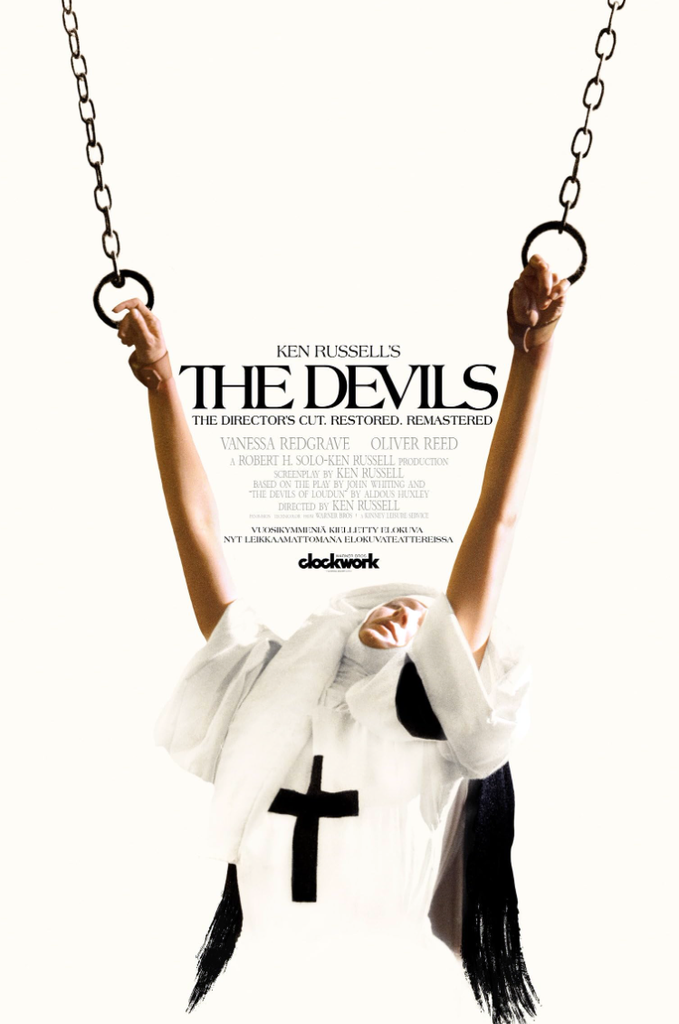
Aldous Huxley kirjoitti aiheesta kirjan Loudunin paholaiset vuonna 1952. Ken Russell käytti teosta yhtenä lähtökohtana elokuvan käsikirjoitukselle. Kun elokuva julkaistiin vuonna 1971, se joutui välittömästi sensuurin hampaisiin ja kiellettiin kokonaan Suomessa, koska siinä oli kuvastoa, joka ei sopinut kristittyjen herkille silmille. Valtion elokuvatarkastamon perusteluissa mainittiin, että elokuva on raaistava ja vaikuttaa mielenterveyteen vahingoittavasti. Elokuva sisälsi muun muassa katolisen kirkon ja uskonnollisen vallankäytön kritiikkiä, nunnien seksuaalisuutta ja alastomuutta sisältäviä kohtauksia, kuvauksia kidutuksesta sekä paheellisen kuvauksen krusifiksilla suoritetusta seksuaaliaktista, jota pidettiin erityisen rienaavana.
The Devils on kiinnostava tapaus myös suomalaisen sananvapauden ja elokuvasensuurin historiassa. Se, että elokuva kiellettiin kokonaan mielenterveyteen kohdistuvan vaaran perusteella, kertoo paljon 1970-luvun virallisesta suhtautumisesta provokatiiviseen elokuvataiteeseen. Vasta 16.10.2026 elokuvan restauroitu ohjaajan versio sai ensi-iltansa Suomessa.
The Devils toimii historiallisena ajankuvauksena, mutta myös psykologisena potilaskertomuksena. Luostarin johtajatar Jeanne (Vanessa Redgrave) sanoo eräässä kohtauksessa nunnaksi hakeutuvalle naiselle: ”Useimmat täällä olevista nunnista ovat aatelisnaisia, jotka ovat omaksuneet luostarielämän, koska heidän perheillään ei ollut tarpeeksi varallisuutta myötäjäisten maksamiseen. Tai sitten he eivät kelvanneet avioliittoon rumuutensa vuoksi tai olivat muuten perheilleen pelkkä taakka.”
Naisen asema sen ajan yhteiskunnassa oli olla kotiäiti, palvelija, prostituoitu tai nunna. Mikäli nainen oli köyhästä perheestä, hänen vaihtoehtonsa olivat vielä rajatummat. Elokuvan yksi näkyvimmistä puolista on nunnien seksuaaliset patoutumat ja niistä johtuvat ongelmat. Johtajatar on tottunut ruoskimaan itseään, kun hänellä on seksuaalisia ajatuksia. Näin tehdessään hän tulee riippuvaiseksi kivusta, joka tarjoaa edes jonkinlaista aistillista kokemusta ympäristössä, jossa kaikki kehollisuus on kiellettyä.
Suljetussa elinympäristössä, jossa nunnat elävät käytännössä kaltereiden takana, voi ilmetä joukkohysteriaa. Se on yksi selitys nunnien käsittämättömän vauhkolle käyttäytymiselle, jota usein kuvataan paholaisen valtaaman henkilön käytökseksi. Uskonnollinen doktrinointi eli aivopesu on omiaan lisäämään mielipuolista hysteriaa luostariin suljettujen naisten keskuudessa.
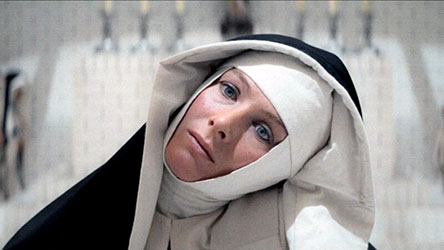
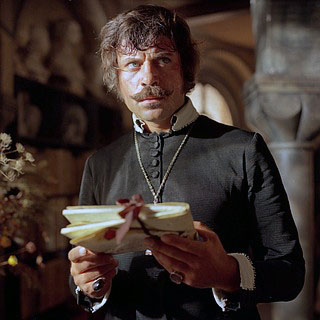
Ken Russellin tyyliin kuuluu tyylittely ja dramaattinen shokeeraaminen. Mielestäni The Devils kulkee juuri hiuksenhienosti sillä rajalla, että se menee paikoitellen liioittelun puolelle. Tätä sopiikin odottaa Ken Russellin elokuvalta.
Tarina sinänsä on kuitenkin hyvä muistutus siitä, että pohjimmiltaan uskonnot ovat negatiivinen voima maailmassa. Ne ruokkivat ihmisen itsekästä ajatusta omasta ainutlaatuisuudestaan suhteessa muihin ihmisiin ja eläimiin. Juuri hän on Jumalan valitseman ihmisryhmän edustaja, ja hän on oikeassa, vaikka tekisi vääryyttä. Näkymätön kaikkivaltias on aina samaa mieltä palvojansa kanssa, ja pyhistä kirjoista voi löytää hyvät perustelut niin lähimmäisenrakkaudelle, tasa-arvolle, orjuudelle, naisvihalle kuin joukkomurhillekin.
Vuonna 1999 yhdysvaltalainen fyysikko ja nobelisti Steven Weinberg sanoi: ”Uskonnosta riippumatta hyvät ihmiset voivat käyttäytyä hyvin ja pahat ihmiset tehdä pahaa; mutta jotta hyvät ihmiset tekisivät pahaa – siihen tarvitaan uskontoa.”
_____ Translation in English ______
When a Film Was Too Dangerous to Watch in Finland – Ken Russell’s The Devils and Finnish Film Censorship
| The Devils (1971) | |
| Rating: | ⭐⭐⭐⭐ |
| Runtime: | 115 min |
| Original title: | The Devils |
| Director: | Ken Russell |
| Cast: | Vanessa Redgrave, Oliver Reed, Dudley Sutton, Max Adrian, Gemma Jones |
The story of The Devils is based on real events that took place in the French town of Loudun in 1634. A priest named Urbain Grandier became the target of a witch hunt when the nuns at a local convent began accusing him of being an agent of the Devil. Behind the accusations lay the convent superior’s obsessive sexual desire for Father Grandier. The events were also intertwined with political power struggles, one of the key players being Cardinal Richelieu. All these circumstances, together with Grandier’s affairs with women and his writings questioning priestly celibacy, ultimately led to his death at the stake.
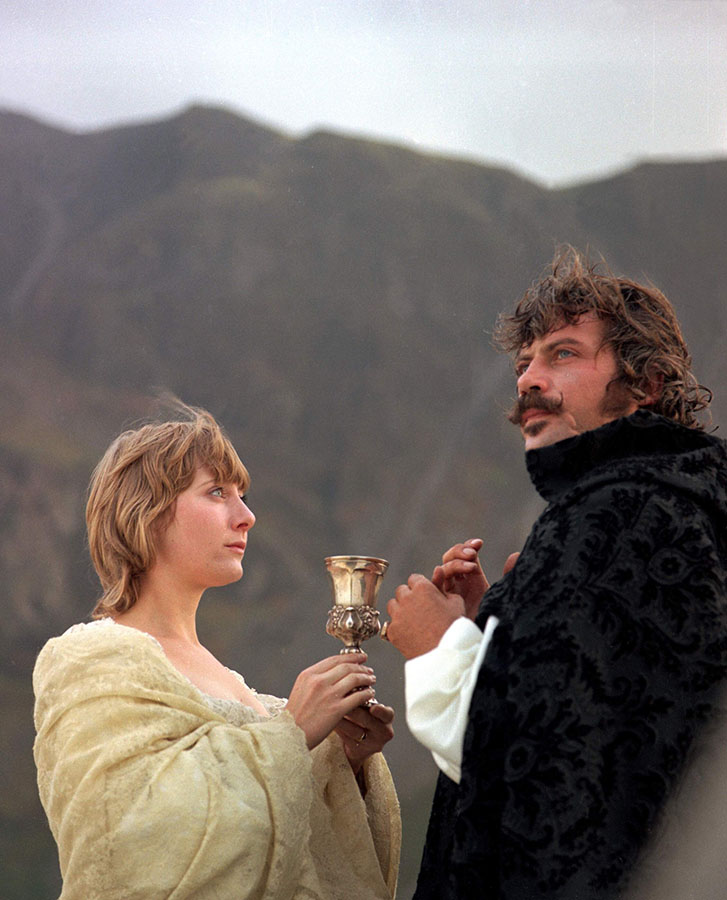
In 1952, Aldous Huxley wrote The Devils of Loudun, a book about these events. Ken Russell used it as one of the starting points for the screenplay. When the film was released in 1971, it immediately found itself in the crosshairs of censorship and was banned outright in Finland because its imagery was considered unsuitable for the sensitive eyes of Christians. The Finnish State Board of Film Classification justified the ban by stating that the film was brutalising and had a harmful effect on mental health. The film included criticism of the Catholic Church and religious abuse of power, scenes involving the sexuality and nudity of nuns, depictions of torture, and a supposedly depraved sexual act involving a crucifix, which was considered particularly blasphemous.
The Devils is also a fascinating case in the history of Finnish freedom of expression and film censorship. The fact that the film was banned outright on the grounds that it posed a danger to mental health says a great deal about the official attitude towards provocative cinema in the 1970s. It was not until 16 October 2026 that the restored director’s cut finally premiered in Finland.
The Devils works both as a historical portrait of its time and as a psychological case study. In one scene, the convent superior Jeanne (Vanessa Redgrave) tells a woman seeking to become a nun:
”Most of the nuns here are noblewomen who have embraced convent life because their families could not afford the dowries required for marriage. Others were considered unsuitable for marriage because they were ugly, or were simply regarded as a burden by their families.”
A woman’s role in society at the time was to be a housewife, servant, prostitute or nun. If she came from a poor family, her options were even more limited. One of the film’s most prominent themes is the sexual repression of the nuns and the problems arising from it. The Mother Superior is accustomed to whipping herself whenever she experiences sexual thoughts. In doing so, she becomes dependent on pain, which offers at least some form of sensual experience in an environment where all expressions of physicality are forbidden.
In a closed environment where the nuns live practically behind bars, mass hysteria can develop. This offers one explanation for their utterly bizarre behaviour, which is often portrayed as the behaviour of people possessed by the Devil. Religious indoctrination, or brainwashing, only serves to intensify the madness and hysteria among the women confined within the convent.
Ken Russell’s style is characterised by stylisation and dramatic shock tactics. In my opinion, The Devils walks an extremely fine line between effective provocation and outright exaggeration. That is, after all, exactly what one would expect from a Ken Russell film.
Nevertheless, the story serves as a powerful reminder that religions are, at their core, a negative force in the world. They feed people’s selfish belief in their own uniqueness and superiority over other human beings and animals. They believe themselves to be members of God’s chosen people, and therefore right, even when committing acts of injustice. The invisible Almighty is always on the worshipper’s side, and holy scriptures can provide justifications for everything from compassion and equality to slavery, misogyny and mass murder.
In 1999, American physicist and Nobel laureate Steven Weinberg said:
”With or without religion, good people can behave well and bad people can do evil; but for good people to do evil – that takes religion.”